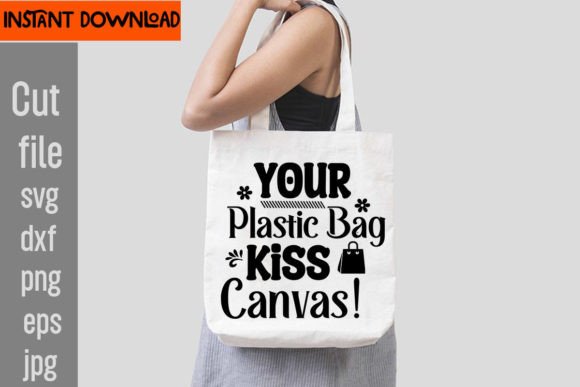
First Impressions of Your Plastic Bag Kiss Canvas
When I first opened the zip folder for Your Plastic Bag Kiss Canvas, I was immediately drawn to the playful yet clean aesthetic of the design. It’s a modern twist on eco-conscious messaging, combining a stylized plastic bag with a soft kiss mark. The layout feels intentional—balanced, not too busy, and easy to adapt across different embroidery applications. The vector files load cleanly, and the PNG preview gives a clear idea of how the design will translate before even stitching it out. As a designer, I appreciated the clarity of the lines and the thoughtful spacing, which hints at good stitch planning.
Perfect For Casual, Trendy Embroidery Projects
This design feels right at home in the world of boutique tote bags, personalized sweatshirts, and custom kitchen towels. It has a casual, slightly cheeky personality that could elevate a handmade shop’s product line. I can see Your Plastic Bag Kiss Canvas being used on reusable cotton bags for a small eco-friendly shop, or stitched onto the corner of a linen tea towel for a boutique-style gift set. It’s not overly detailed, which makes it ideal for quick embroidery runs—especially for Etsy sellers looking to batch-produce items without sacrificing visual appeal.
How It Stitches Out: A Designer’s On-Machine Experience
I tested Your Plastic Bag Kiss Canvas on a medium-weight cotton tote and was pleased with how smoothly it stitched. The satin and fill stitches transitioned cleanly, and the design held its shape without distortion. I used a basic tear-away stabilizer, and the results were crisp. There were no thread breaks or skipped stitches, which is always a relief when trying out a new digital embroidery file. I also tried it on a stretchy cotton-blend sweatshirt fabric, and with a lightweight cutaway stabilizer underneath, the design maintained its integrity.
Where to Use It with Confidence
Your Plastic Bag Kiss Canvas works well for:
- Custom tote bags (especially eco-themed shops)
- Personalized sweatshirts or denim jackets
- Reusable kitchen towels and linen napkins
- Baby bibs or cloth diaper covers with a light-hearted touch
- Gift-ready embroidered patches for pinning or sewing onto backpacks
Where to Proceed with Caution
While the design holds up well on flat, stable fabrics, I noticed that on curved surfaces like baseball caps, the kiss motif's subtle curves got slightly compressed. Also, on dark fabrics, the light-colored kiss outline can get lost unless you choose contrasting thread carefully. I’d advise testing Your Plastic Bag Kiss Canvas on a hoop size that allows for full detail before committing to a final product. The design’s thin lines and small text (if included in variations) may not translate well on textured or loosely woven fabrics like burlap or sheer linen.
Visual Impact and Customer Perception
From a branding and customer engagement standpoint, this design adds a touch of personality without being overwhelming. It’s the kind of embroidered detail that sparks conversation—especially for environmentally aware buyers. When I added it to a mockup of a linen tote labeled “Bring Your Own Bag,” the design elevated the product from generic to boutique. It also boosted the perceived value of the item, making it feel more intentional and handmade. For small shop owners, that kind of visual lift can make a big difference in Etsy listings or craft fair sales.
Design Clarity and Stitch Quality
One of the first things I check in a digital embroidery file is stitch density and thread path logic. Your Plastic Bag Kiss Canvas performed well in both areas. The satin stitches are clean and tight without being overly dense, and the fill areas are smooth and even. I didn’t notice any unnecessary underlay stitches or thread-jumping, which helps reduce embroidery time and thread waste—important for high-volume small businesses.
Practical Designer Notes Before You Stitch
Here are a few quick tips I picked up while working with this design:
- Test it on scrap fabric before embroidering your final product, especially if you’re using a new stabilizer or thread combo.
- Check the thread color contrast against your fabric—especially the kiss outline, which can fade on dark backgrounds.
- Verify that the hoop size matches your machine’s capabilities, especially if you’re using a smaller embroidery field.
- Zoom in on the digital preview to make sure small details like lines or text are clear before stitching.
- Try a black-and-white mockup to see how the design reads without color distractions.
- Always use the appropriate stabilizer based on your fabric type—cutaway for stretchy materials, tear-away for stable weaves.
- Confirm licensing before selling finished items or digital embroidery files derived from this design.
Final Thoughts: A Versatile Addition to Your Design Library
As a designer who regularly evaluates embroidery files for real-world use, I found Your Plastic Bag Kiss Canvas to be a solid, adaptable asset. It’s not overly complex, but it carries enough visual charm to stand out on everyday items like tote bags, sweatshirts, and kitchen linens. Whether you're creating custom apparel for a client or building a line of handmade gifts, this design offers a balance of style and stitchability. Just keep in mind the fabric and placement considerations, and you’ll get a polished, professional-looking result every time.